Notice: Function _load_textdomain_just_in_time was called incorrectly. Translation loading for the js_composer domain was triggered too early. This is usually an indicator for some code in the plugin or theme running too early. Translations should be loaded at the init action or later. Please see Debugging in WordPress for more information. (This message was added in version 6.7.0.) in /var/www/vhosts/gtfoodandtravel.com/httpdocs/wp-includes/functions.php on line 6260

Notice: Function _load_textdomain_just_in_time was called incorrectly. Translation loading for the woosidebars domain was triggered too early. This is usually an indicator for some code in the plugin or theme running too early. Translations should be loaded at the init action or later. Please see Debugging in WordPress for more information. (This message was added in version 6.7.0.) in /var/www/vhosts/gtfoodandtravel.com/httpdocs/wp-includes/functions.php on line 6260

Deprecated: The called constructor method for WP_Widget class in Widget_Include_Post is deprecated since version 4.3.0! Use __construct() instead. in /var/www/vhosts/gtfoodandtravel.com/httpdocs/wp-includes/functions.php on line 6260
Gina – Page 5 – GT Food & Travel
Notice: Function WP_Scripts::add was called incorrectly. The script with the handle "hero-animator" was enqueued with dependencies that are not registered: hero-rocket-mode, hero-hover-elements. Please see Debugging in WordPress for more information. (This message was added in version 6.9.1.) in /var/www/vhosts/gtfoodandtravel.com/httpdocs/wp-includes/functions.php on line 6260

Author: Gina

  • Centopassi – Organic Wine from Free Land

    Centopassi – Organic Wine from Free Land

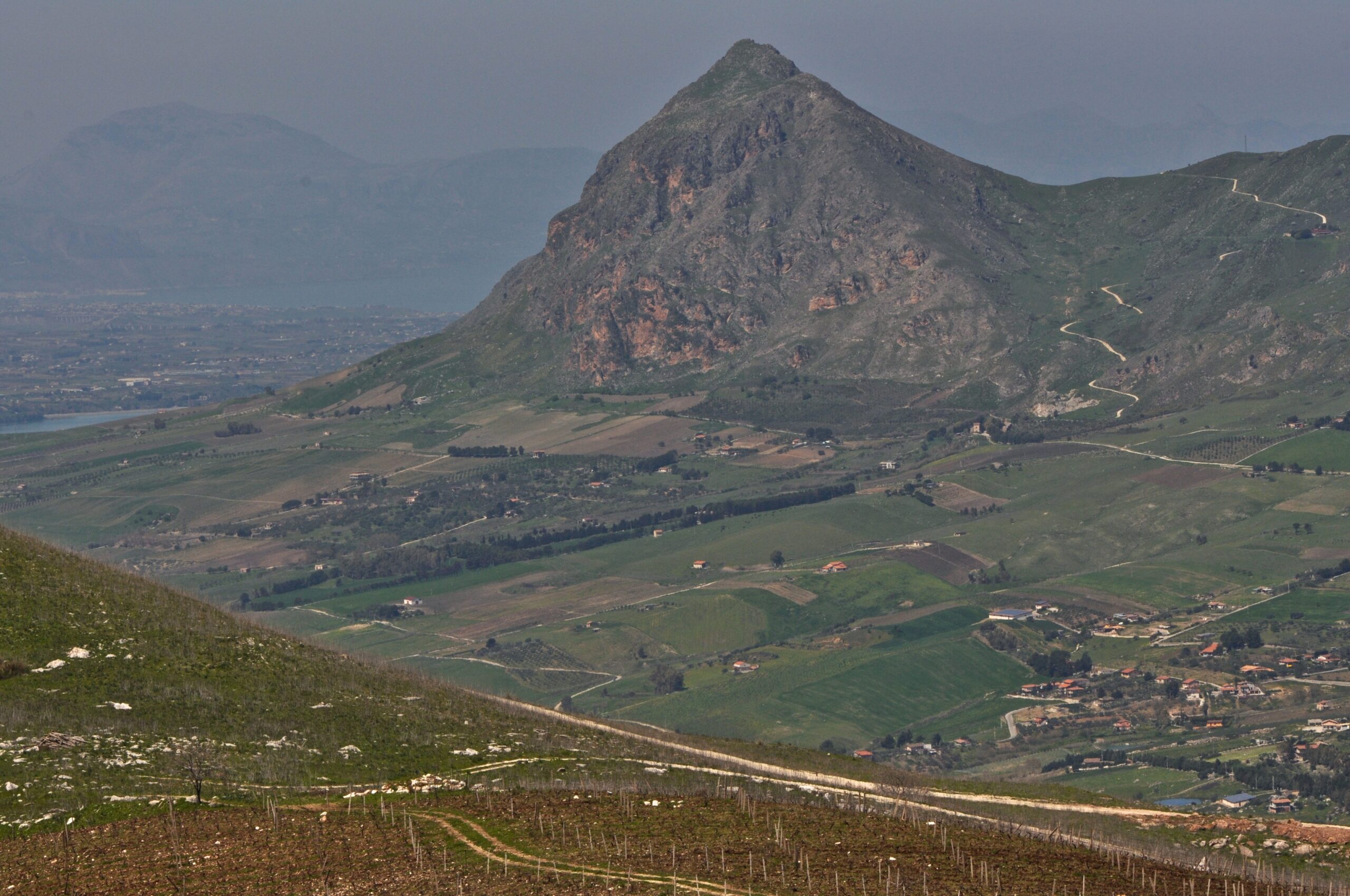
    On my last trip to Sicily I spent a day at the Centopassi vineyards with Francesco Galante. It wasn’t my first visit. In fact Francesco remarked “I think you’re the only person outside of Centopassi who has witnessed every step of our growth and changes first hand in the Portella della Ginestra Vineyard .” CP_PortelladellaGinestra

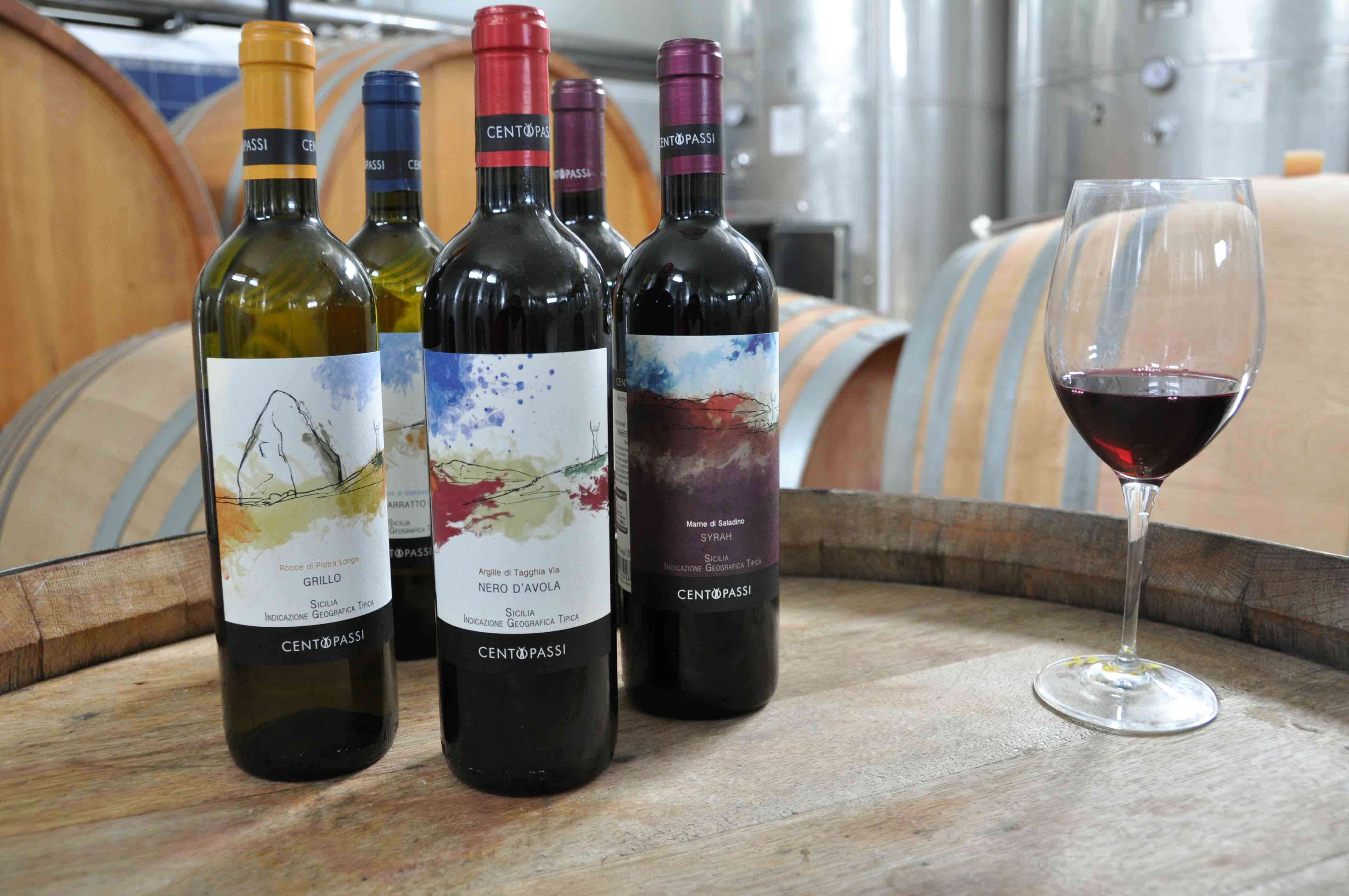
    Centopassi is the Sicilian winemaking arm of Libera Terra (free land) started in 2002. It occupies 93 hectacres of vineyards confiscated from the Cosa Nostra located on the periphery of Palermo and Corleone. Why the name Centopassi? I Cento Passi – One Hundred Steps – is a film dedicated to Giuseppe “Peppino” Impastato, a young Sicilian radio broadcaster and anti-mafia labor organizer, who was assassinated for his fight against the mafia. Like Peppino, Centopassi is a leader; planting, nurturing and building vineyards giving back to the land and people of Sicily by not only contracting dozens of full time workers but also by producing high quality organic wine.Centopassi winesThe vineyards are an admirable example of how to make positive use of confiscated land. Are you interested in learning more about Centopassi? Continue reading…

  • Italian Adventure

    Italian Adventure

    My italian adventure began nearly 8 years ago. I packed my bags for 3 months to see if I could make it in Italy. Coming from NYC, I left with Frank Sinatra’s voice singing “if I can make it there, I’ll make it anywhere…” after all if I made it in NYC 3 times over why not Rome? Despite its own unique set of challenges, I launched GT Food & Travel more than 2 years ago with the intention of expanding beyond Rome. Today, I’m happy to share the next chapter of my italian adventure  Casa Mia | Italy Food & Wine Tours. I’ve teamed up with two food professionals and friends, Elizabeth and Eleonora, to create Casa Mia, a food & wine association. casamiaOur association offers unique, local culinary experiences including food walks, wine tastings, cooking classes and in-home dining in and around Rome, Naples, Florence and Sicily with a very personal touch hence the name “Casa Mia”! GT Food & Travel will continue to offer group food tours and wine tastings in Rome, custom designed tours and dining itineraries as well as corporate event planning.

    ele_G 20140905-elizabeth

    So, all you food lovers out there planning an Italy vacation, be sure to check out the new website: Casa Mia | Italy Food and Wine Tours for private tours and our Blog for Italy travel inspiration, savvy advice and exciting food & wine adventures.

    Be sure to follow us on Twitter, Facebook, Pinterest, Instagram, Flickr, YouTube and Google+ plus don’t forget to subscribe to our e-Newsletter to stay up to date on upcoming news and events. And tell your friends!
  • The Etna Wine Buzz

    The Etna Wine Buzz

    vignabosca2

    Despite the looming presence of Europe’s highest active volcano and the labor-intensive terraced vineyards, Etna currently is one of Italy’s most exciting wine regions. Etna is not only drawing attention to Sicily but is in great company with some of the best wines in the world. It’s no wonder that young Sicilian winemakers are making a stake on Etna, embracing agriculture and quality wine production over quantity. They are breathing life and personality into distinctive Etna wines.Etna_VineyardVisit

    So why all the buzz about Etna? It’s impossible to point to any one factor. Likely it’s the volcanic soil and extraordinary climate but also an increased love and interest in the native grape varieties that have existed on Etna’s terraced vineyards for centuries. Whatever the reason may be, Etna wines appeal to wine novices and connoisseurs alike.IVigneriTasting

    What can you expect from Etna wines? Continue reading….

  • Ravioli Making with Mom

    Ravioli Making with Mom

    I often wondered if it was normal to talk about food from dusk to dawn or at least that’s what it seemed like growing up in an Italian-American home. No sooner was the morning coffee poured than we were chatting about what we would conjure up for lunch and dinner. It’s no surprise that my fondest memories take place at kitchen tables around the world from Boston, New York and London to Rome, Naples and Sicily…cooking and conversation feed my stomach and spirit.

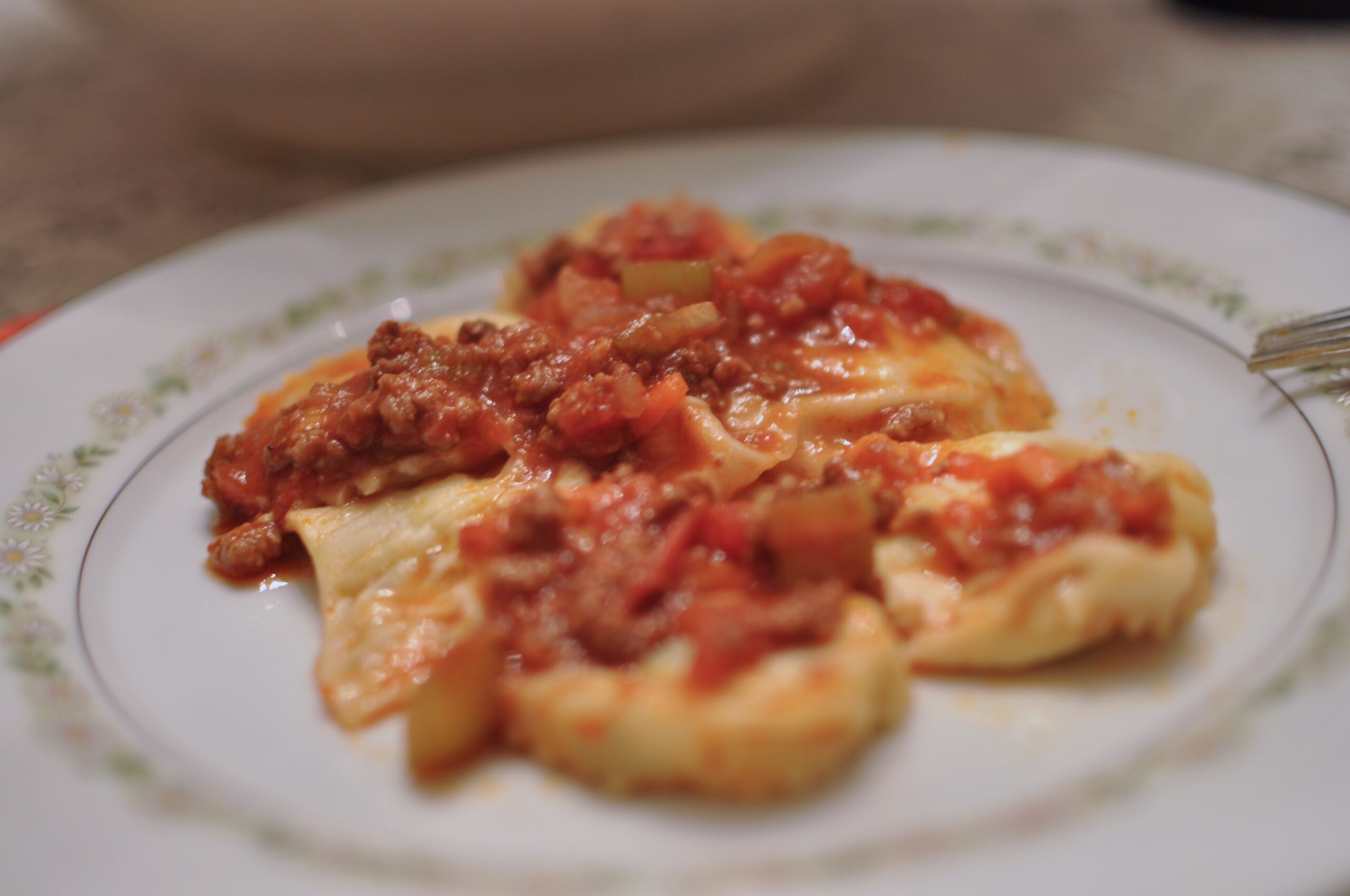
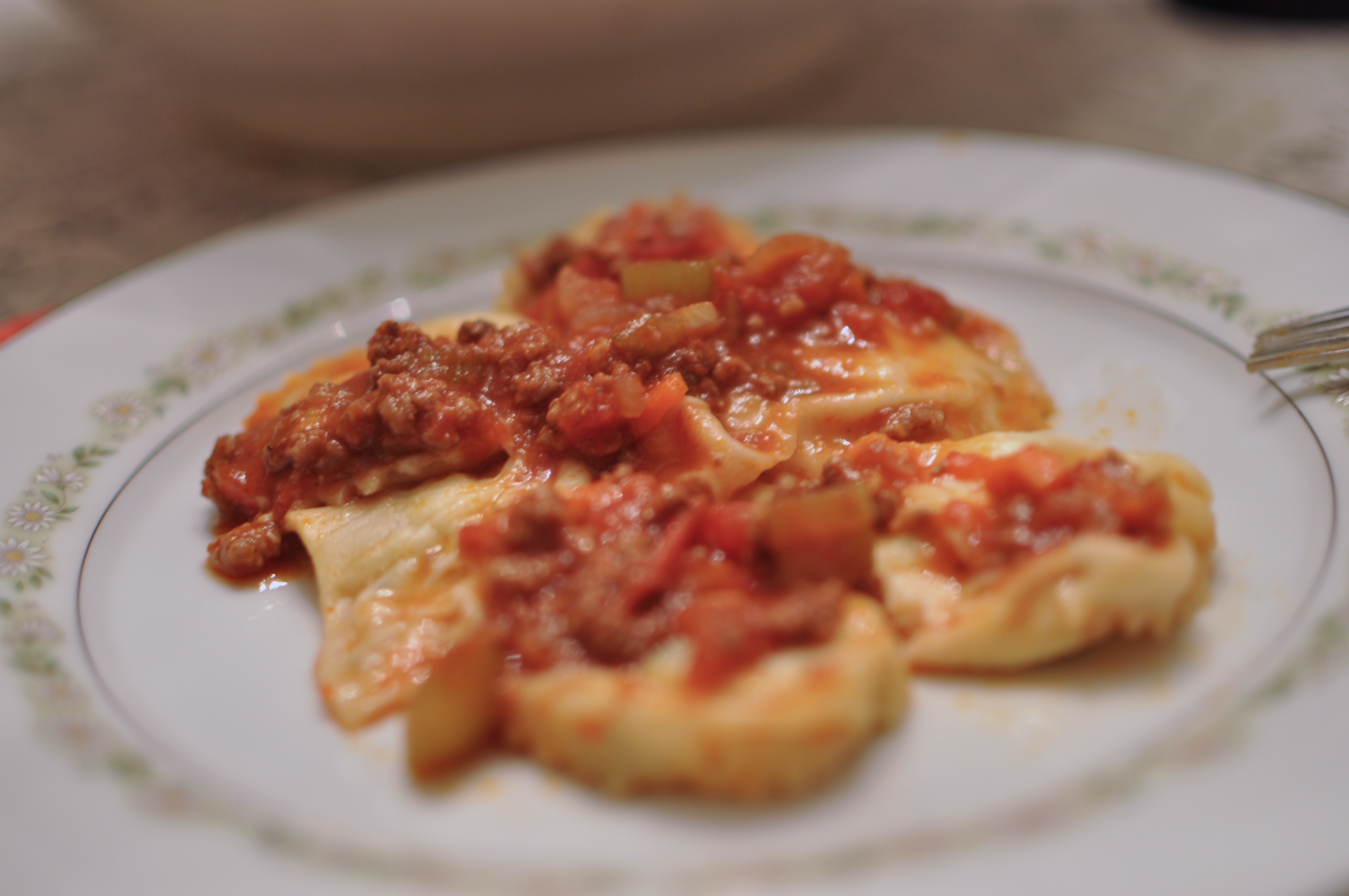
    ravioli w sauce 2Lazy mornings spent at my parents’ carved wooden kitchen table and days cooking with mom are things that I crave. Our day starts with coffee talk, sometimes for hours, sometimes for moments. We leaf through piles of cookbooks talking about recipes, food, and family. I wonder if she realizes how much I love listening to her.

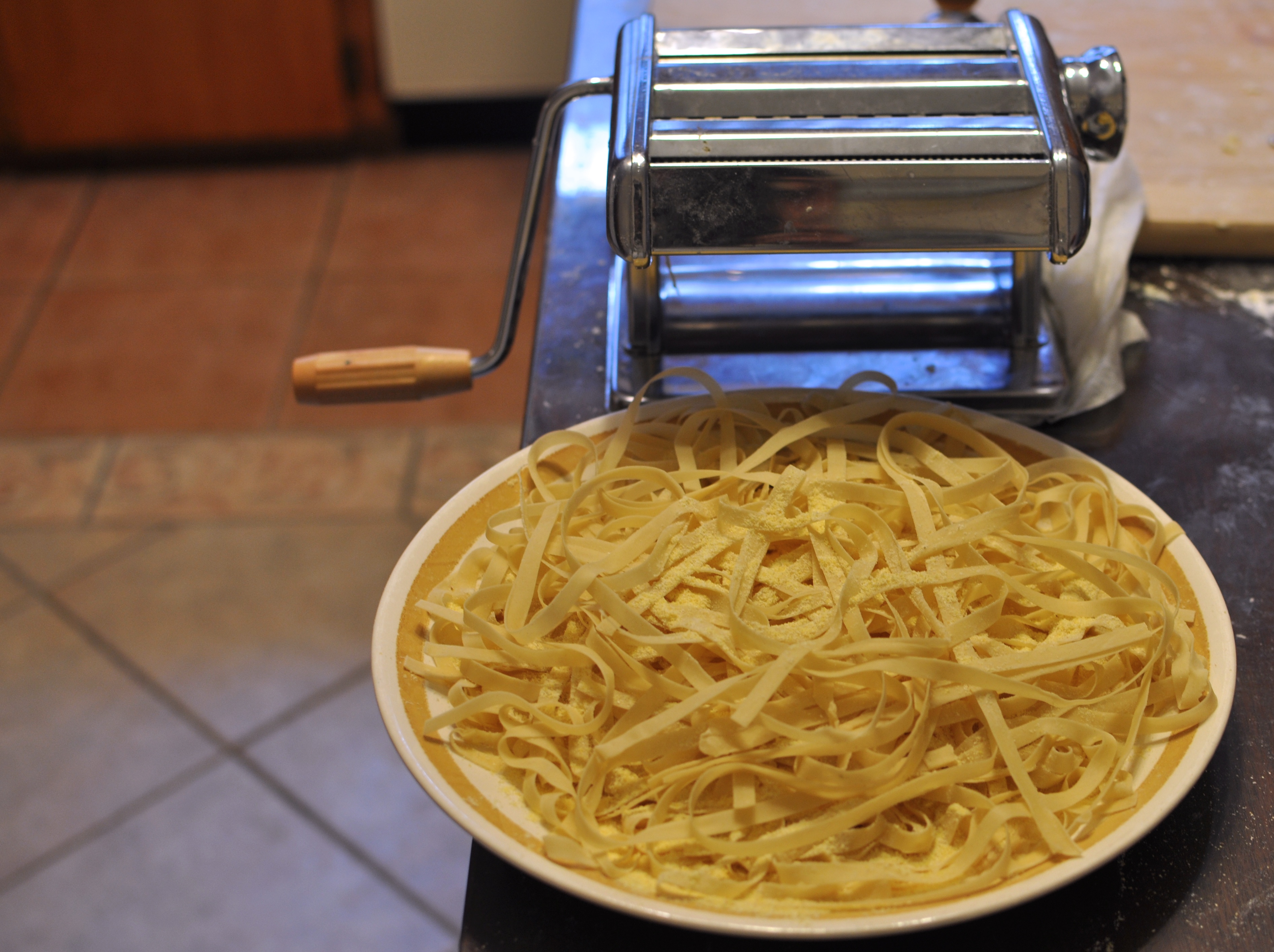
    tagliatelle w maker

    It had been years since we dusted off Ma‘s pasta maker. I felt strangely melancholy as I cleaned it with a pastry brush. Crumbs of hardened dough fell to the floor, crumbs from the last time Ma made pasta at 552 Main Street. Ma and a dear Italian friend would spend an entire day making fresh tagliatelle, ravioli and lasagna. The smell of freshly brewed coffee filled the air, strangely yet pleasantly mixed with scents of bubbling tomato sauce, fresh basil and ground pepper.

    And so mom and I spent a day making ravioli and tagliatelle. Aprons on, wine poured and tomato sauce simmering… “It was very pleasant to savor its aroma, for smells have the power to evoke the past, bringing back sounds and even other smells that have no match in the present. -Tita” ― Laura Esquivel, Like Water for Chocolate

    Ingredients for fresh egg pasta dough

    • Approximately 3 cups flour
    • 4 large eggs
    • 1-3 tsp extra-virgin olive oil
    • 1 tsp salt
    • warm water as needed

    Makes enough pasta for 6 first courses or 3 main courses.

    Ingredients for ricotta filling

    • 1 pound ricotta cheese
    • 1 cup parmesan cheese
    • 1 large egg lightly beaten with 2 tbsp water
    • parsley, salt & pepper to taste

    In a large bowl mix the ricotta, parmesan cheese, parsley and egg. Season to taste with salt and pepper and set aside.

    Invent and change fillings according to your taste. Add lemon or orange zest, nutmeg, or basil. You can’t go wrong. 

    To mix the dough by hand

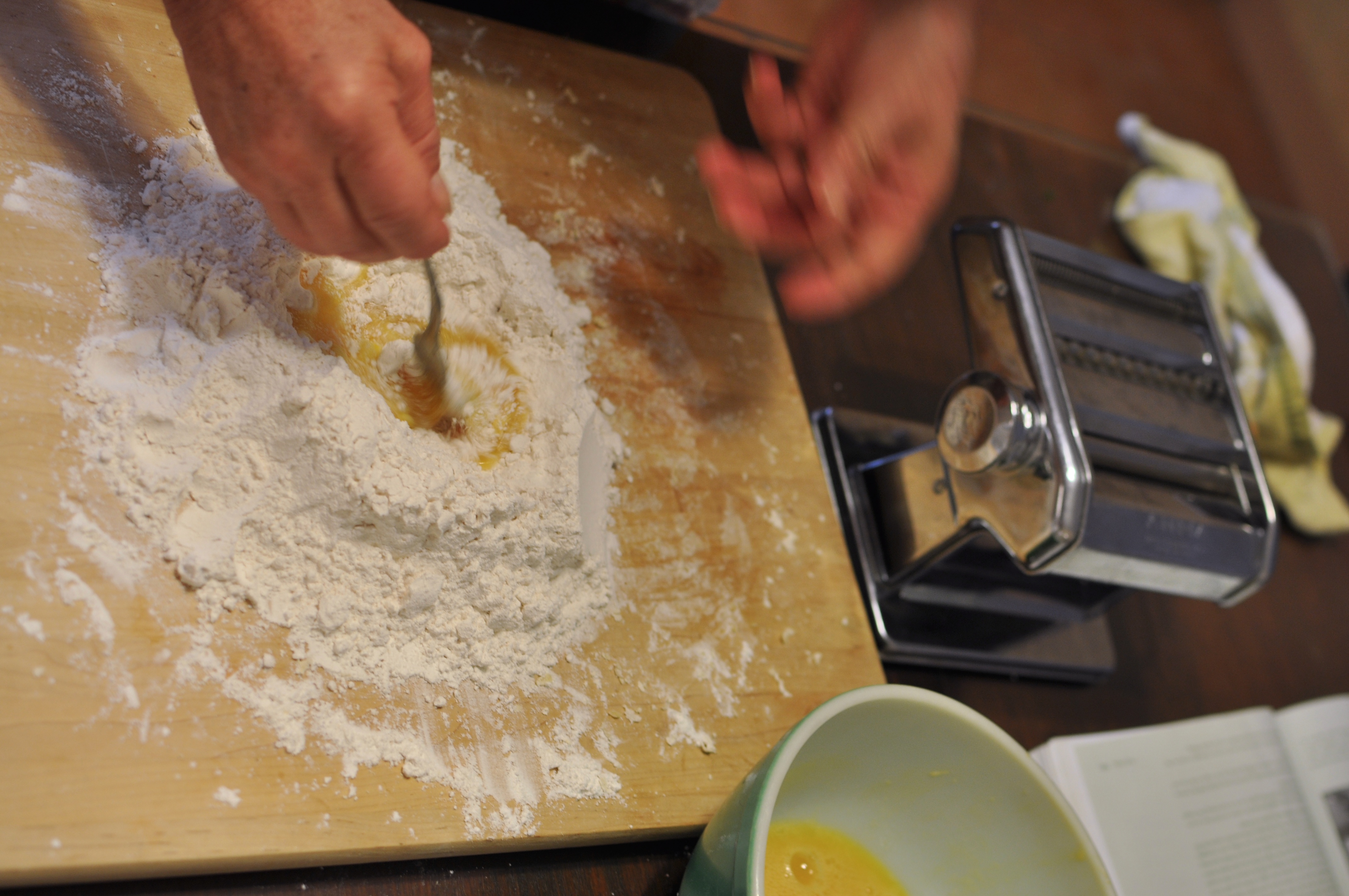
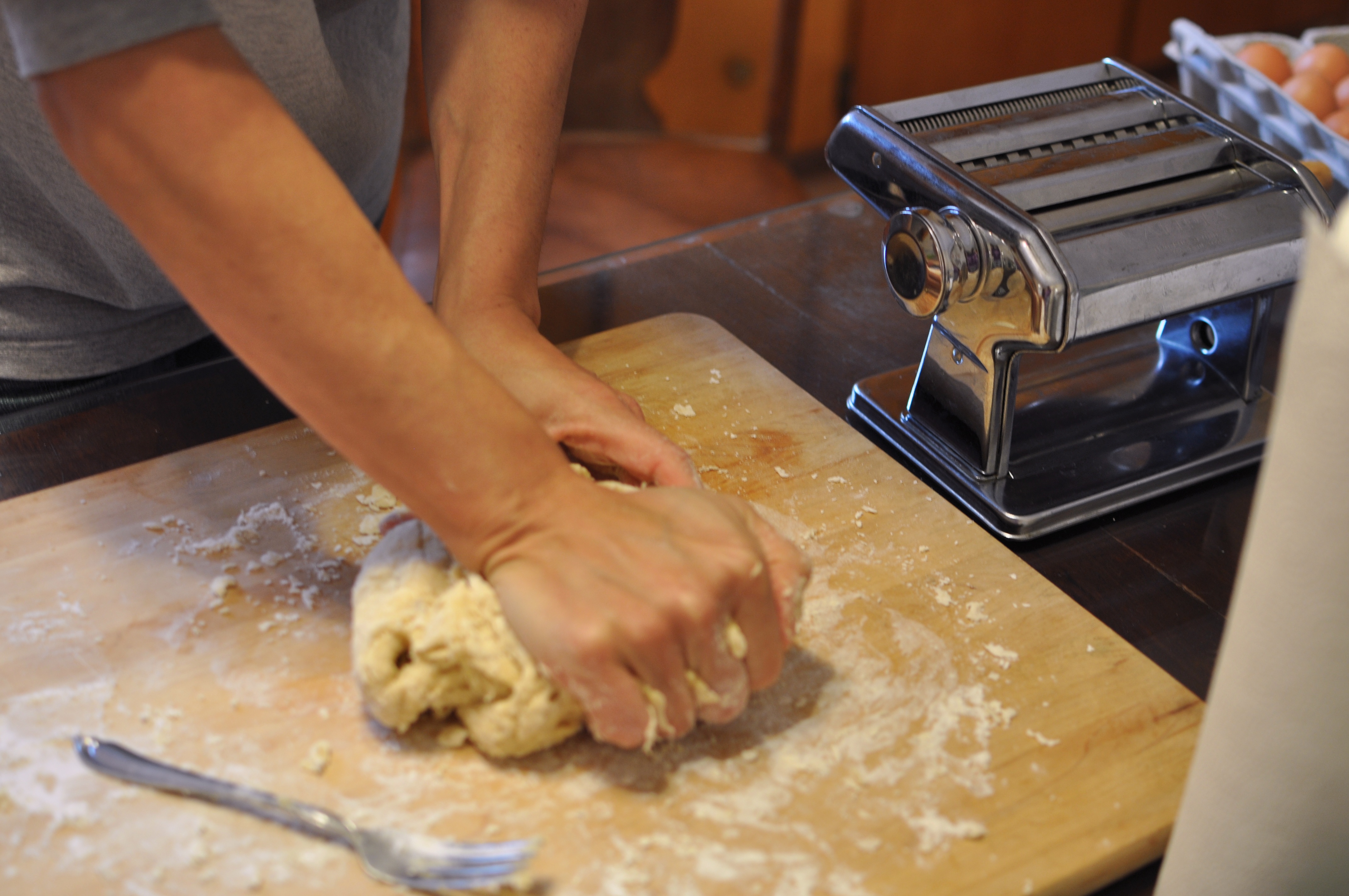
    Pile 3 cups of flour in a mound on a flat work surface. Make a well in the center of the flour. Beat the eggs, olive oil and salt together in a bowl until the eggs are foamy. Pour the egg mixture into the well. Use a fork to gradually draw in the flour from the inside of the well. Continue until all the flour is incorporated and it forms a ball. If this happens before all of the flour is incorporated, add a small amount of warm water and keep mixing until all of the flour is incorporated.

    makingdough

    Flour your hands and knead any remaining flour into the dough until a slightly sticky dough is formed.

    DSC_0741

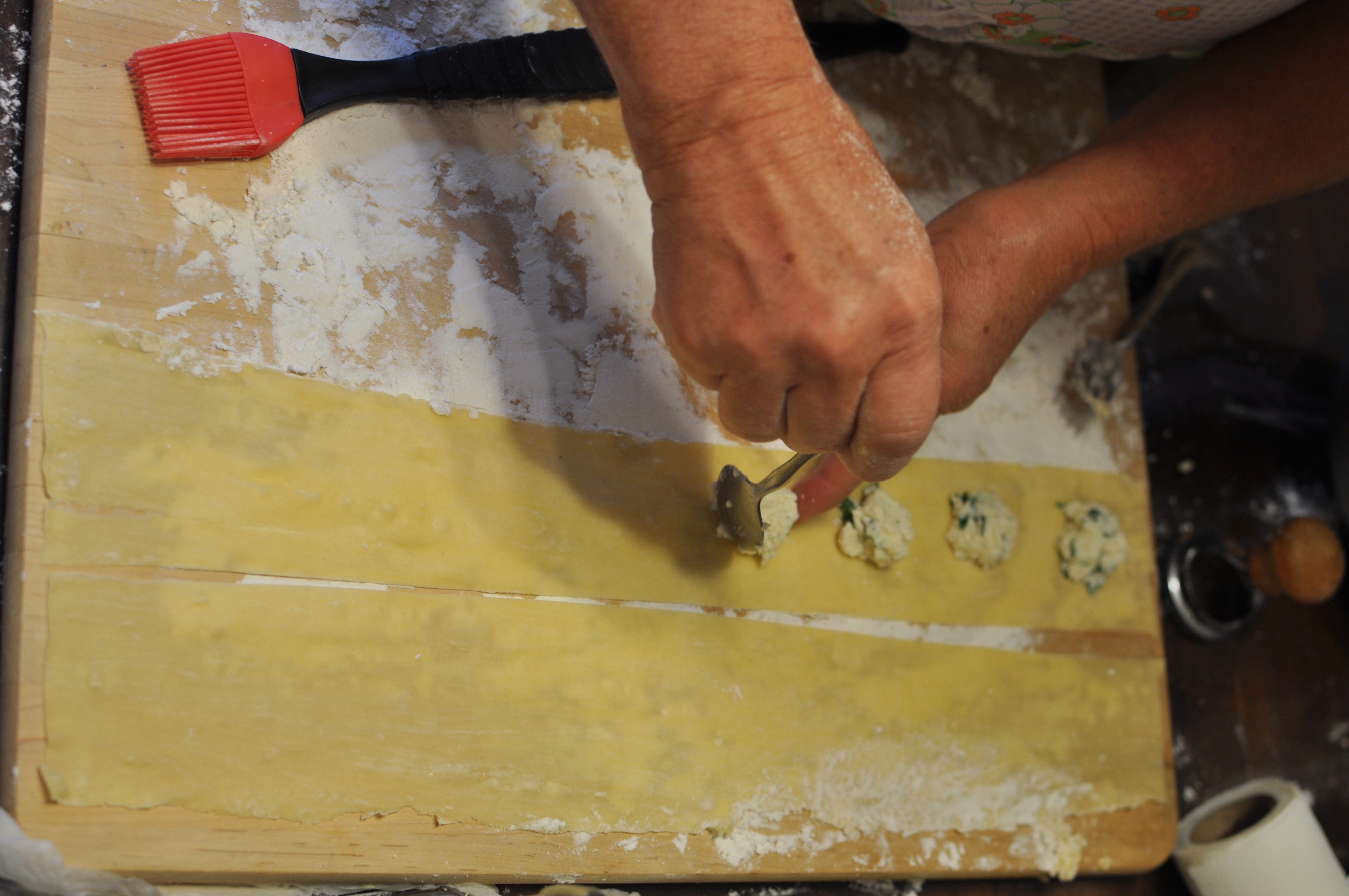
    Shape the dough into a ball and cut into three equal pieces. Flour them lightly and cover them with a kitchen towel to keep the dough from drying out. Working with one section of dough at a time, form it into a rectangle (approximately 4 x 3 inches). Roll it through a pasta machine at the widest setting 2 to 3 times. Reduce the setting by one and pass the dough through again 2 or 3 times. Continue reducing the setting until the machine is at its narrowest. The dough should be paper-thin (you should be able to see the outline of your hand through it). Dust the sheets of dough with flour as needed. Repeat with each piece of dough. filling the ravioli

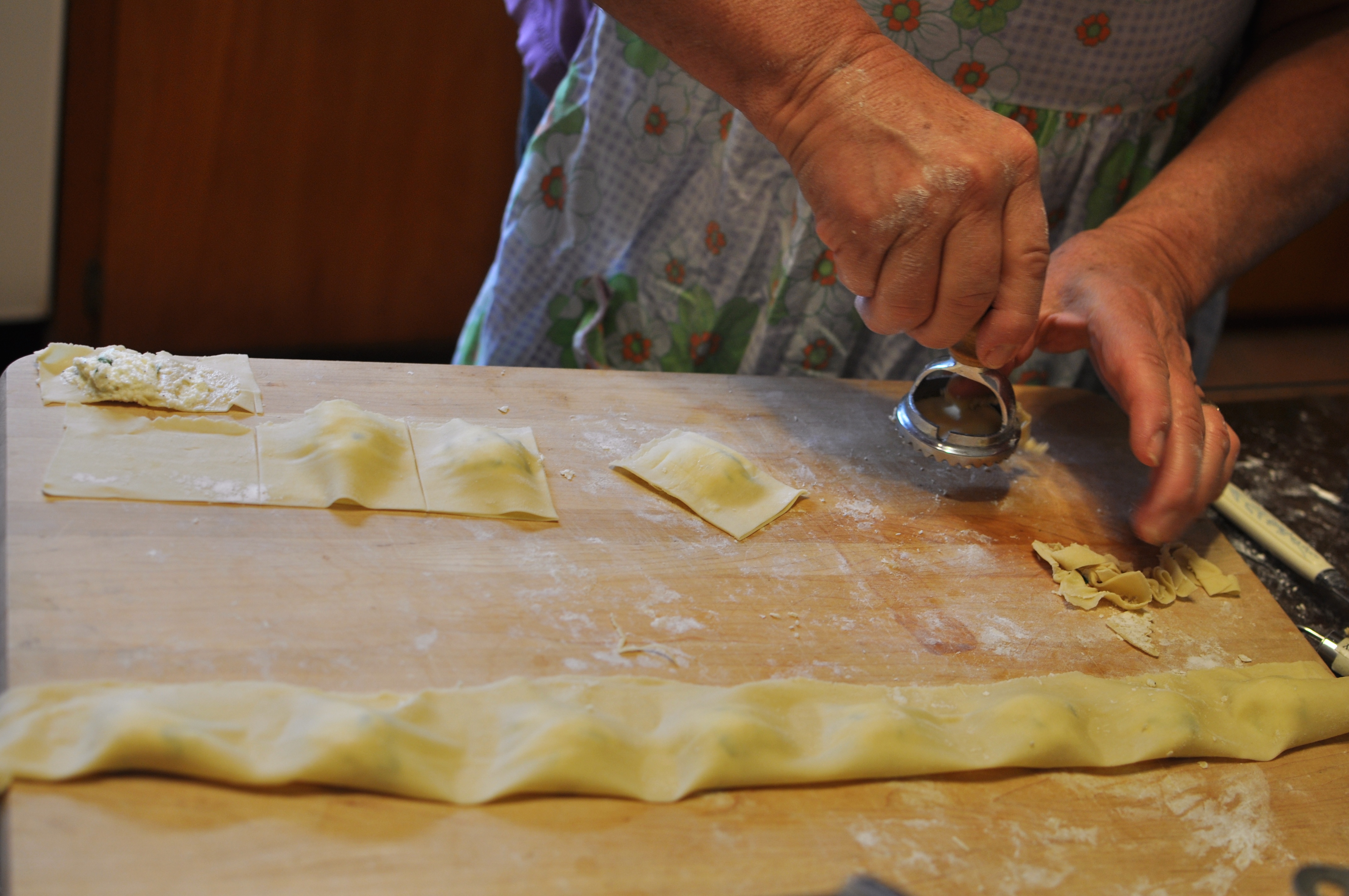
    Dust the work surface with flour. We filled the ravioli in two ways as shown here. Lay out a sheet of pasta and cut in half-length wise (pictured above). Spoon the filling on the pasta sheet about 1 inch apart. Place the other 1/2 sheet of pasta on top and gently press out air pockets around each tablespoon of filling OR lay out a sheet of pasta, spoon the ricotta filling on the pasta sheet about 1 inch apart and fold the other 1/2 over the filling (pictured below) like a blanket. We found the second way to be easier and quicker. Use a knife to cut each ravioli into square or use a pastry cutter. Crimp the edges with the tines of a fork to seal.

    Moms hands ravioli

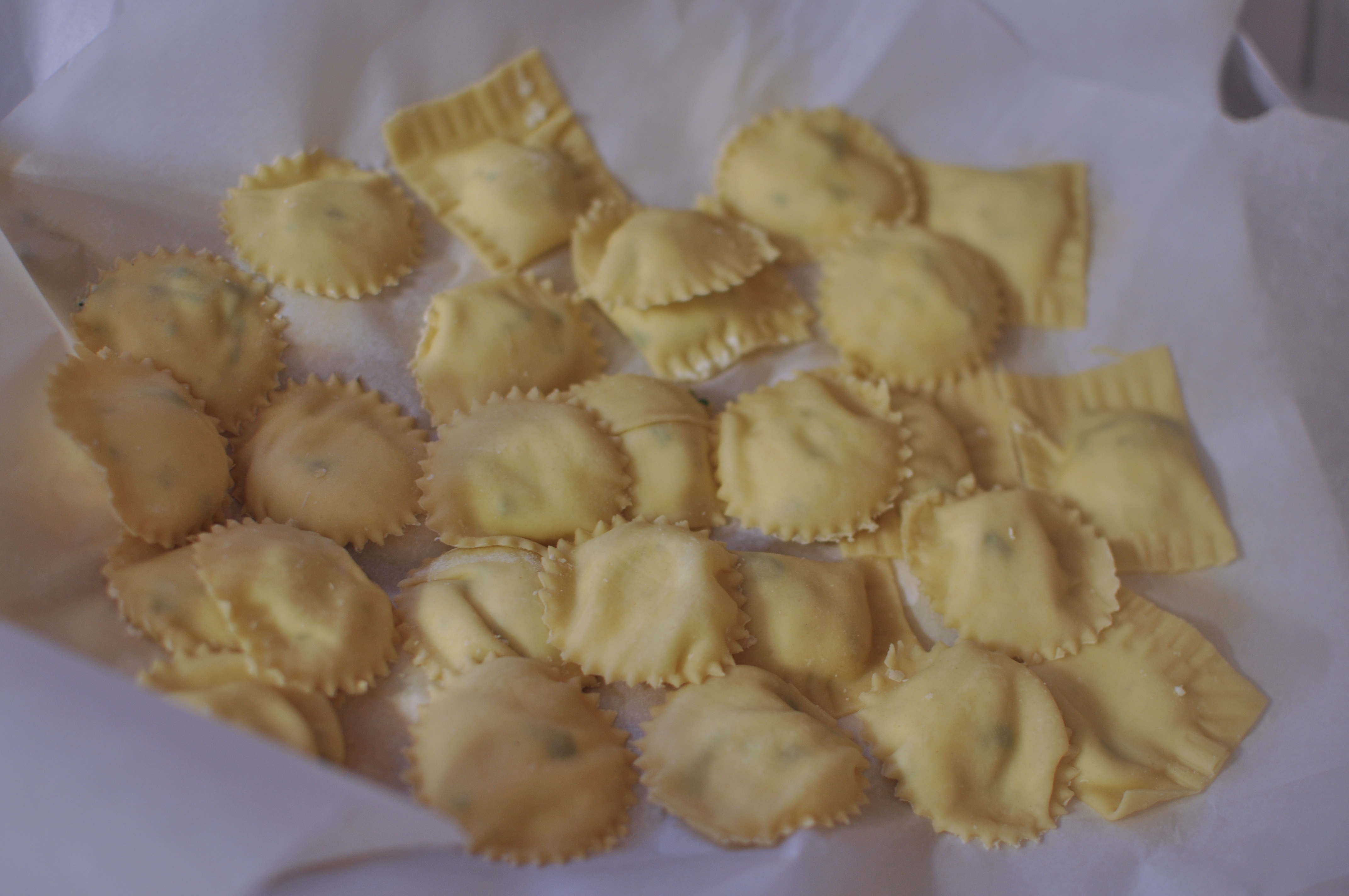
    We experimented making both square and round ravioli. We used a pastry cutter and knife for the square ravioli. We dug out Ma’s cookie/ravioli cutter for the round-shaped ravioli.

    pastaboard rounds2Sprinkle cornmeal on a sheet pan and the ravioli to prevent the pasta from sticking. Lay them out to dry slightly while making the remaining ravioli.ravioliCook the ravioli in plenty of boiling salted water for 3 to 4 minutes. They float to the top when they are done. Gently lift the ravioli from water with a slotted spoon. Coat the ravioli in your favorite sauce and serve.

  • Casatiello – Savory Easter Bread Recipe

    Casatiello – Savory Easter Bread Recipe

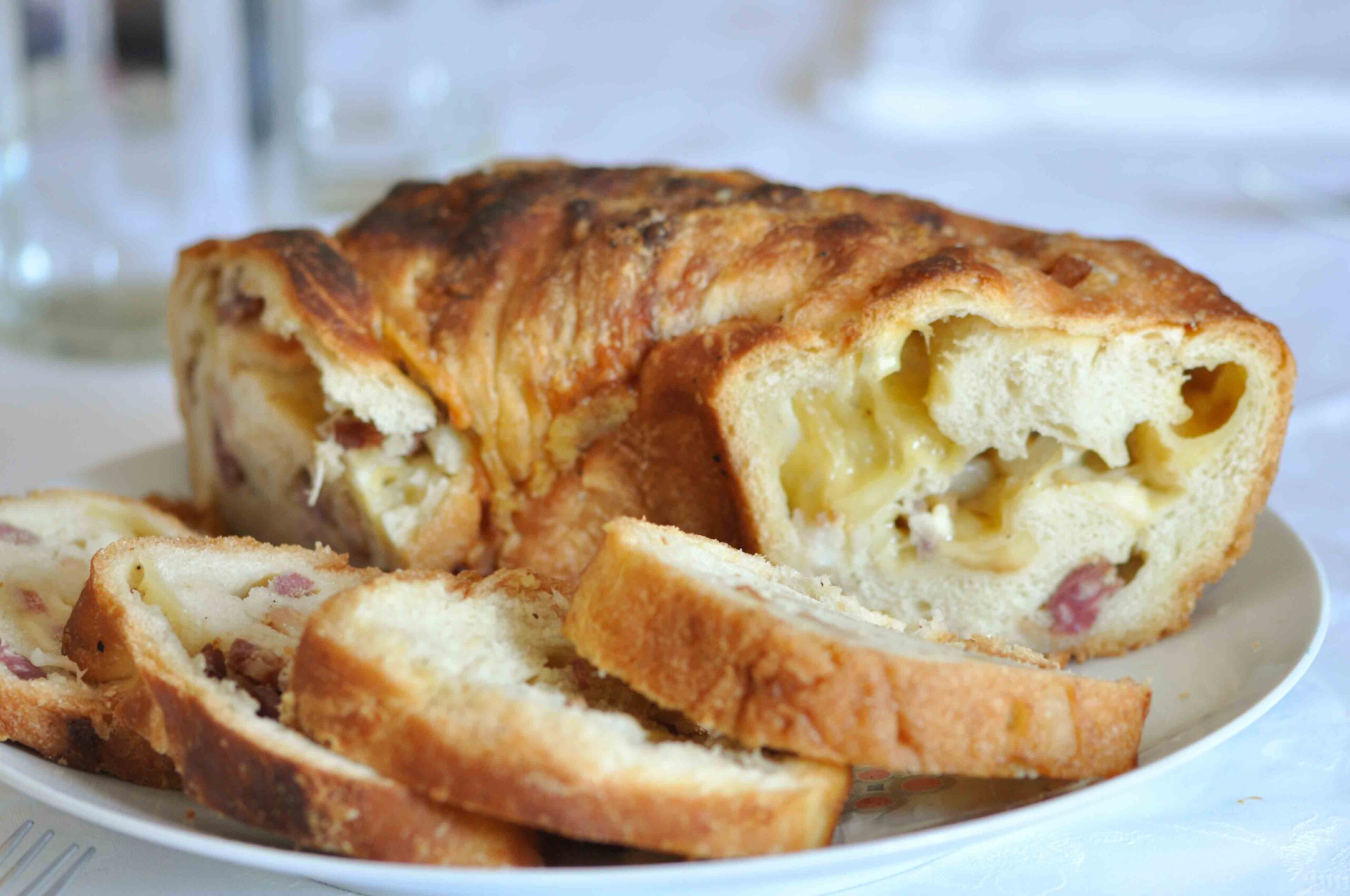
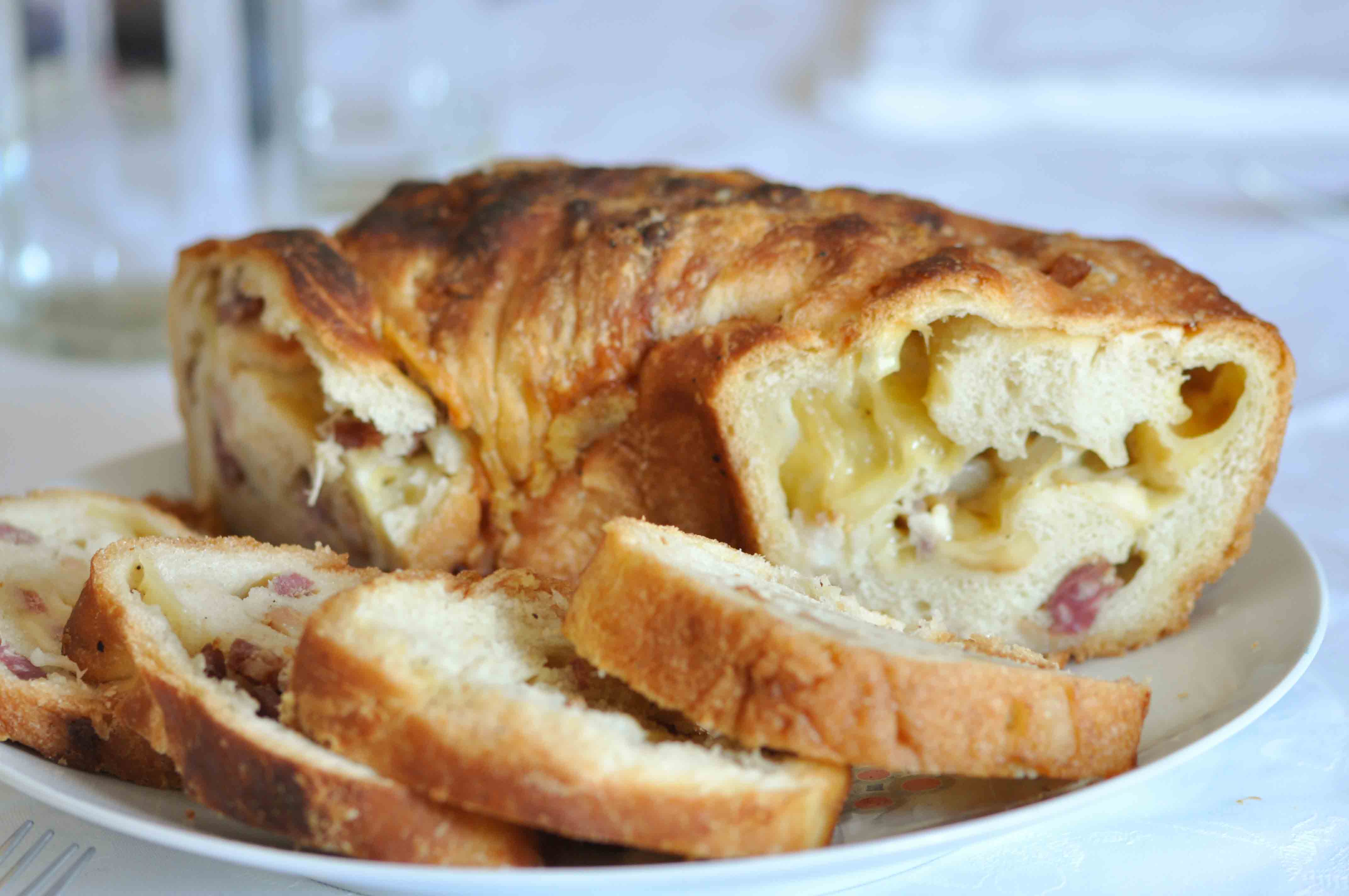
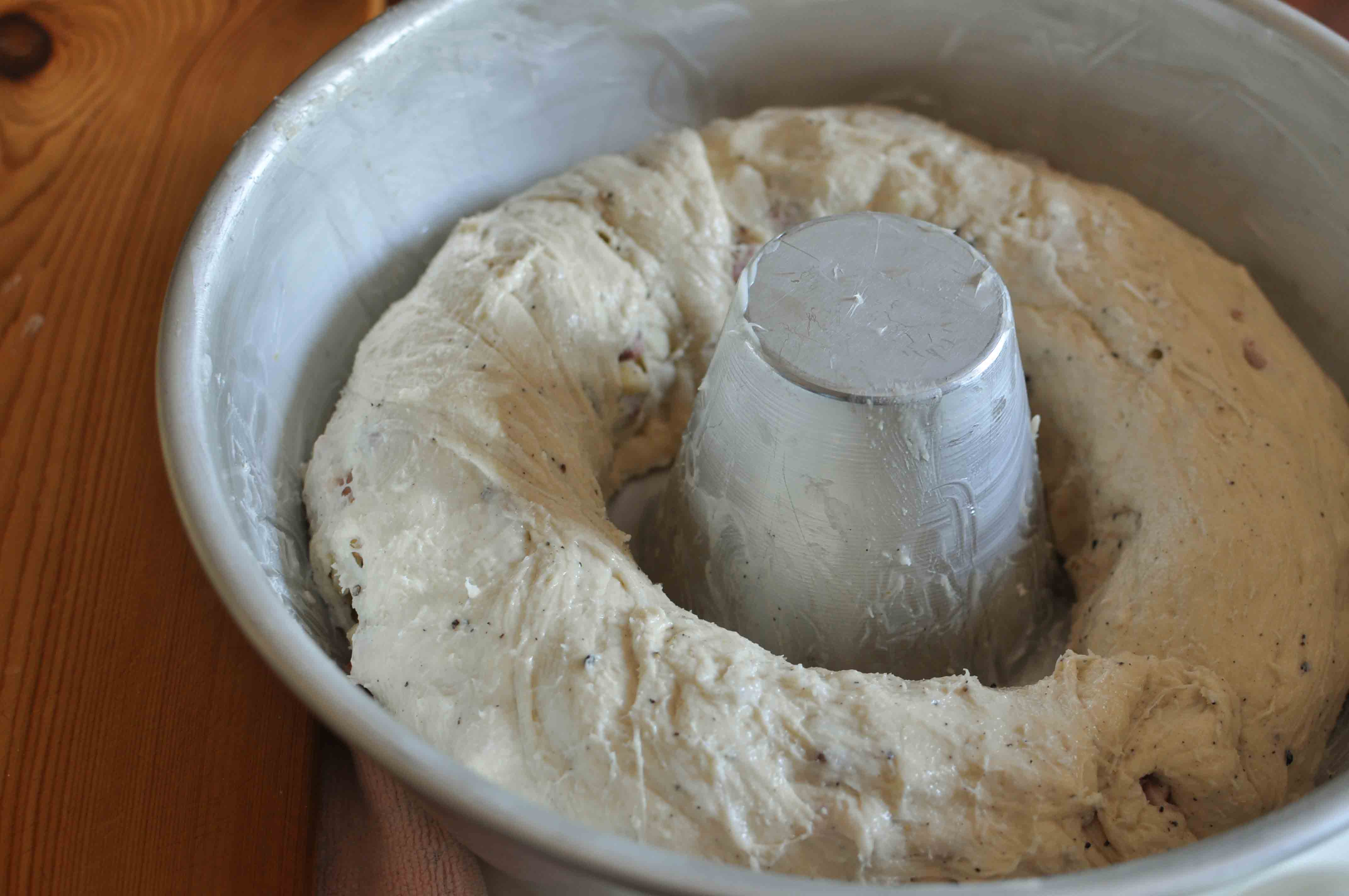
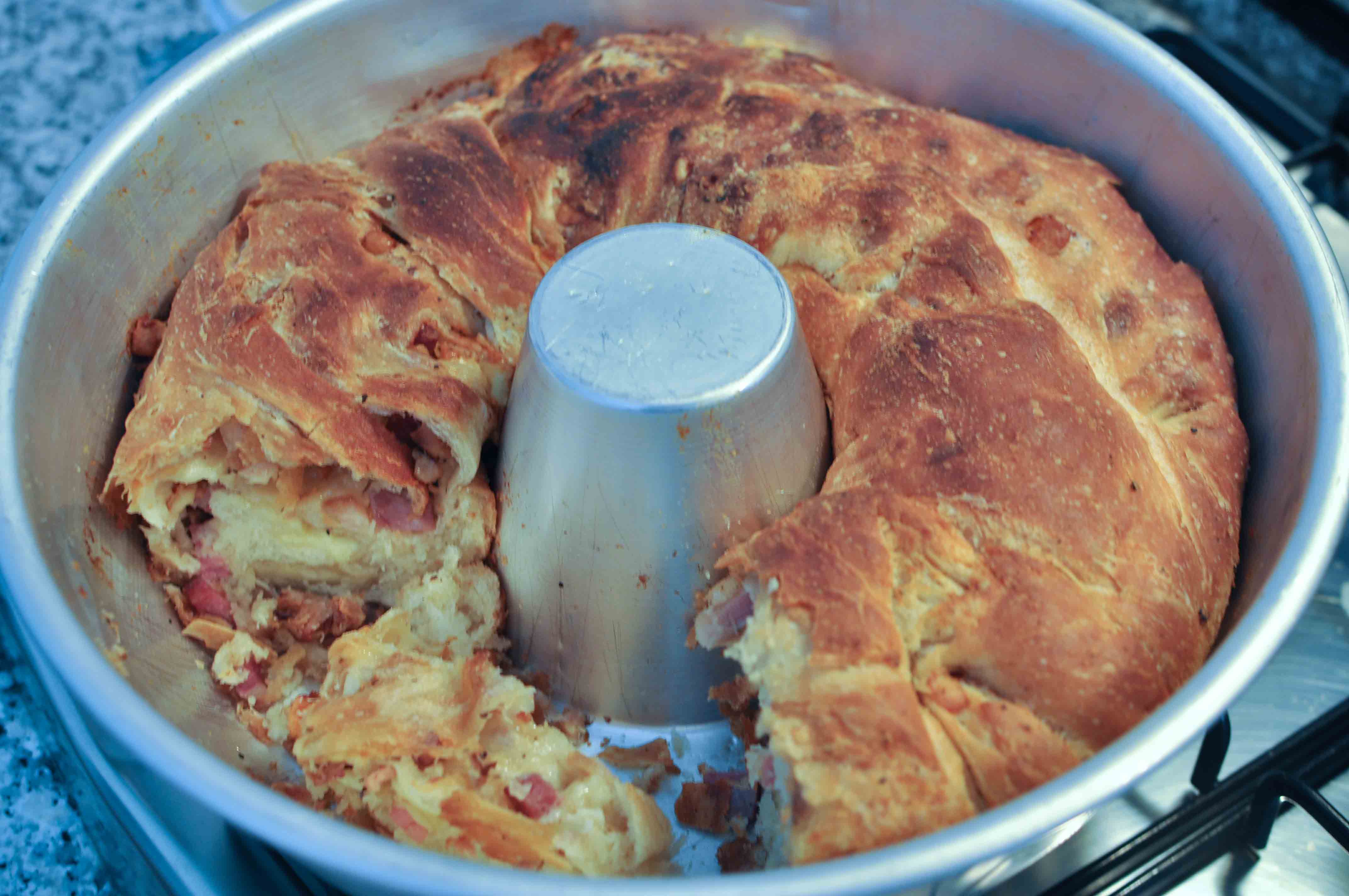
    In Italy a holiday or truly any celebration without food is unimaginable. Whether the festa (party) is at home, a restaurant or in a piazza (square), it most always includes a special meal and a customary dish. Pasqua (Easter) is no exception. At the end the 40 day lenten fast, religious processions begin as does the preparation for Easter lunch. Eggs and lamb or goat, symbols of renewal, are found on most tables. Although capretto (goat) is always the main course at our Easter feast, I not so secretly pine for tortano napoletano aka casatiello – a savory filled Neapolitan Easter bread flecked with salami, cheese and black pepper – what’s not to like?tortano4

    Making casatiello with mom is an annual ritual. Though I won’t be in Boston for Easter this year, I luckily share this tradition with Concetta. Sitting at the table and talking with Concetta as she whisks around the kitchen brings me home. She is a marvelous and loving cook and mom.

    There are many variations of this stuffed bread. Most are crowned with eggs. Some call for lard while others substitute olive oil. Here is a recipe of our combined efforts. I’ve included measurements as a guideline. We measure by eye and fine tune the dough according to the texture. Have fun adjusting the quantities of cheese and salami to your taste and make this recipe your own.

    Ingredients

    • 620 g (5 cups) flour
    • 40 g (1.4 oz ) brewer’s yeast (one sachet of instant yeast may weigh anywhere between 5 g to 15 g)
    • 150 g (3/4 cup) lard
    • 100 g (3.5 oz) provolone cheese cubed
    • 100 g (3.5 oz) salami cubed
    • 50 g (2 oz) pancetta cubed
    • 50 g (2 oz) parmesan cheese cubed or grated
    • 50 g (2 oz) emmental cubed (optional)
    • salt & pepper to taste

    Pile 4.5 cups of flour in a mound on a marble or wooden surface. Make a well in the center of the mound. Dissolve the brewer’s yeast in tepid water as instructed on the yeast packet. Pour the yeast mixture, salt and pepper into the well. Add 1/2 cup lard to the well. Knead until smooth and elastic. Place in a floured bowl. Cover and let rise in a warm place until doubled, about 2 hours. While the dough is rising, cube the salami, cheese and pancetta. Brown the pancetta and put aside.

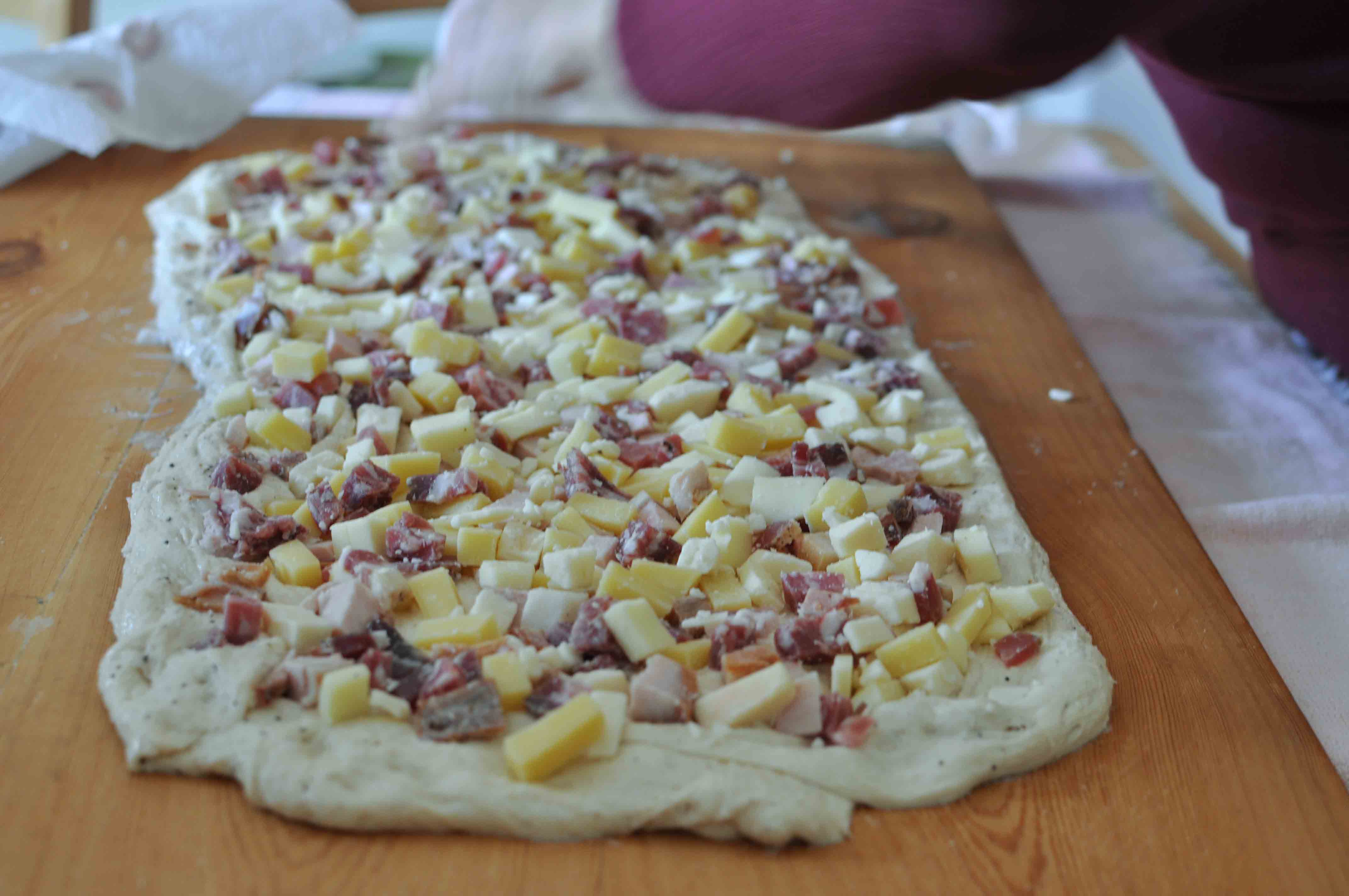
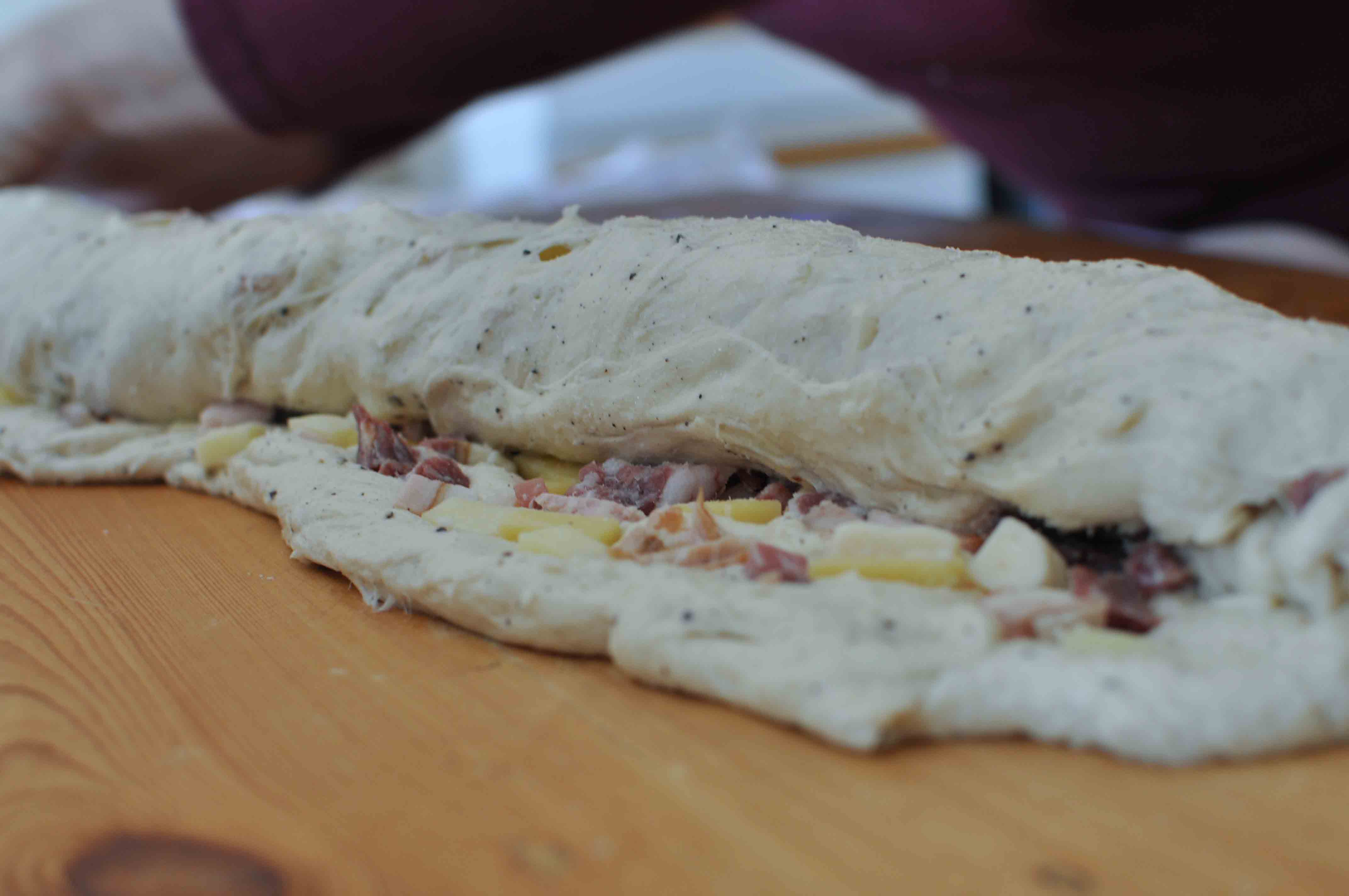
    tortano3Once the dough has doubled, punch it down and turn onto a lightly floured surface. Roll the dough out in a rectangle. Scatter the cheese, salami and pancetta on the surface of the dough. Sprinkle with salt and plenty of pepper. tortano6Start to roll the dough from the longest side, making sure to tuck in the ends. Place in a greased bundt cake pan. Pinch the ends together. tortano5Place the dough in a warm place and it rise for an hour or more. Preheat oven to 200°C (400°F). Bake for approximately 40 minutes. Remove from oven and let cool. tortano1Casatiello is heavenly served warm or at room temperature. It tastes even better on Easter Monday. I hope you enjoy making and eating it as much as we do.

  • Carbone Vineyard & Aglianico

    Carbone Vineyard & Aglianico

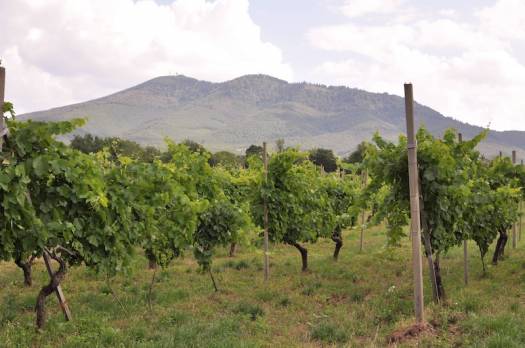
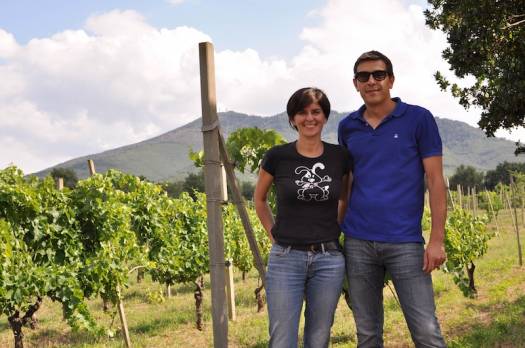
    Eating our way around Matera was a blast but we were disappointed with the wine selection. None of our favorite Basilicata wine producers were to be found. We reminisced about our first trip to Basilicata. It was July when we visited Carbone vineyards in Melfi set under the grandeur of Mount Vulture. VultureSara and Luca Carbone met us outside of the Carbone cellar where we hopped in their jeep for a quick drive to the vineyards. Winemaking is in Sara and Luca’s DNA. The oldest Carbone vineyard, Piani dell’Incoronata, was planted in 1970 by their dad and uncle. The Carbone brothers produced wine until 1987 at which point business took them elsewhere. They didn’t give up the vineyards but sold grapes to wine makers. The sister and brother team took over the family vineyards in 2000 and they haven’t looked back since.
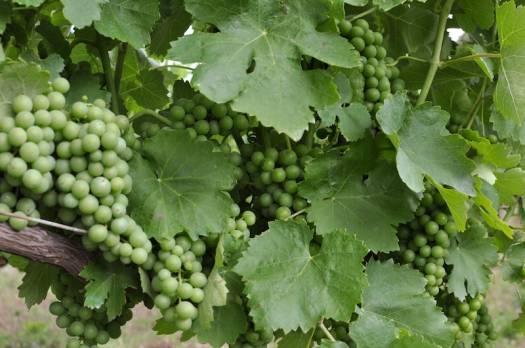
    saracarboneAfter spending 10 minutes walking and talking with Sara and Luca their enthusiasm and dedication had infected us. They believe that working in the vineyard is essential to producing a wine that expresses their personality and that of Vulture. At the foot of Vulture, aglianico is THE grape variety. Sometimes called the barolo of the south it is dark, dry and tannic with beautiful acidity often with black cherry, blackberry and chocolate aromas.

    aglianico2

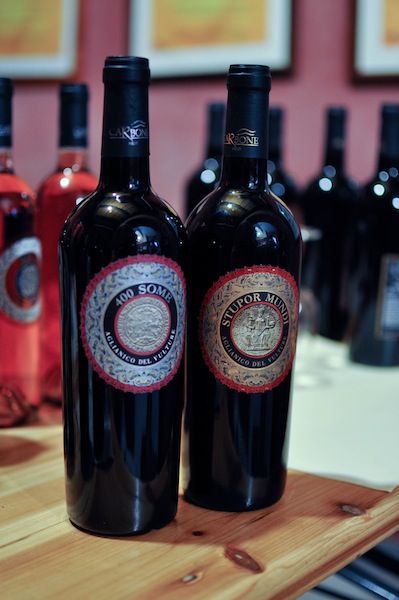
    Sara and Luca’s first vintages are Stupor Mundi 2005 and Terra dei Fuochi 2005 followed by 400 Some 2006, all 100% Aglianico del Vulture. We recently opened a 400 Some 2009 and Stupor Mundi 2009. They both had lively acidity and beautiful expressive tannins. Stupor Mundi was chock full of blackberry, dark chocolate and herbs while 400 Some expressed blackberries and spice. I have no doubt that both wines will improve with age. We enjoyed 400 Some with podolico caciocavallo (an aged cheese produced using only milk from the Podolica cattle), a classic pairing, and we drank Stupor Mundi with Sunday lunch of tomato and meat sauce, pasta and meatballs. We look forward to repeating this Sunday combo in a few years time.

    CarbonewinebottlesIf you’d like to visit Carbone call or email in advance for an appointment.
    Tel: +390972 237866
    Email: info@carbonevini.it

  • Bread, flatbread & crepes at Dall’Antò

    Bread, flatbread & crepes at Dall’Antò

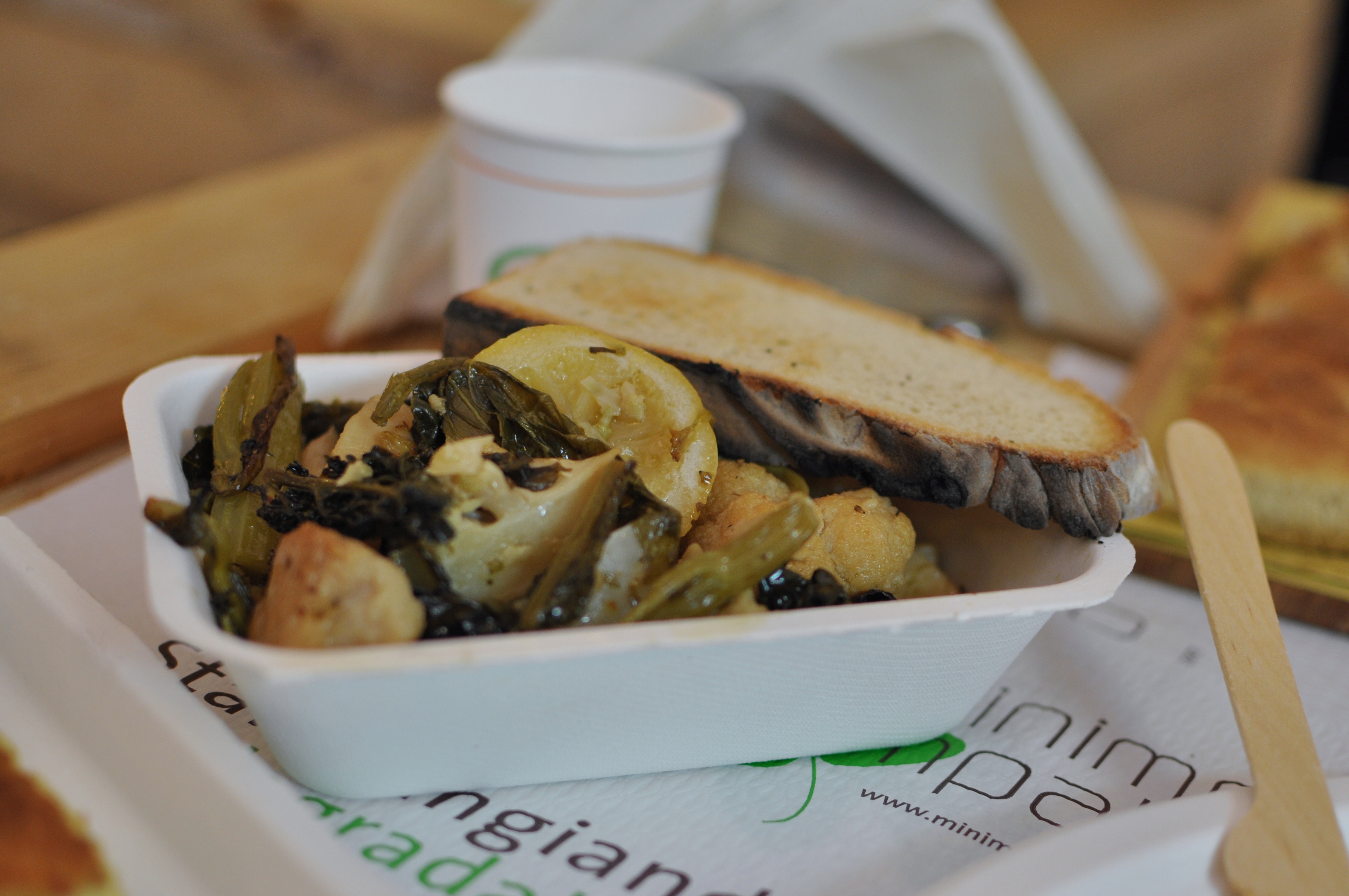
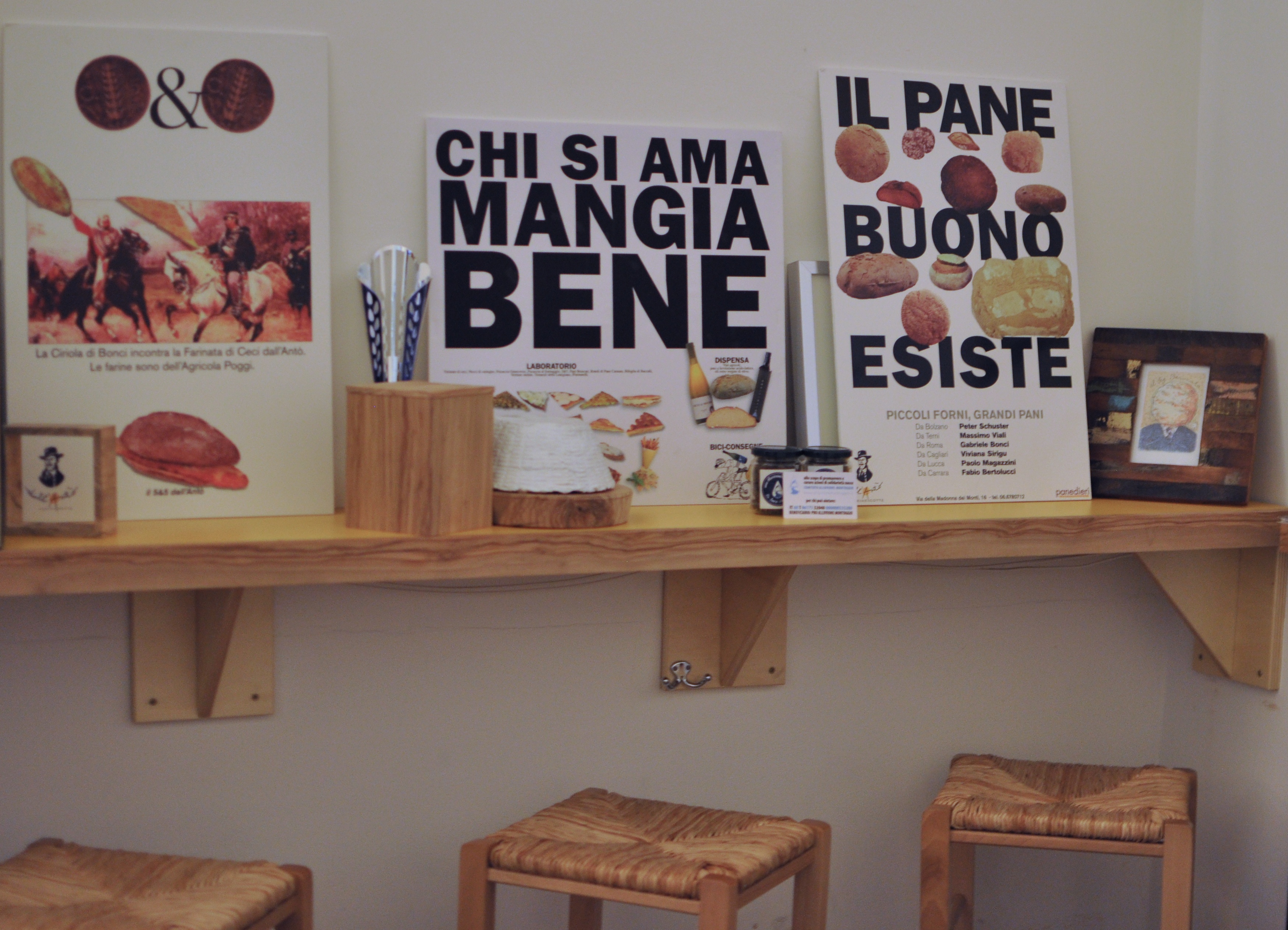
    baccalamantecato1I’m often asked what is Dall’Antò? A good answer may be a venue where you can sit at a communal table and spend hours leafing through a library of gastronomic treasures while eating traditional flatbread, crepes and roasted vegetables OR a shop where you can enjoy a glass of wine with baccalà mantecato (salt cod mousse) sandwiched between farinata (baked chickpea flour flatbread) OR an eatery where you can nosh on honey and hazelnut biscotti with a caffé alla napoletana OR why not all three?dallantoroastedvegLast week, I spent the afternoon with Antonio Menconi, Dall’Antò co-founder, learning more about the restaurant/library/eatery.

    GT: Why did you open Dall’Antò?

    AM: It is a business/marketing project backed by a political vision. We refer to as ADA, arte degli altri.

    GT: Can you tell me more?

    AM: More often than not the ingredients used by restaurants to create each dish are hidden even if the initial ingredients are stellar. It’s about the chef. We believe in the opposite. We source our flour, olive oil, cheese, etc from people who we are artists/artisans. They are small producers who have the need for someone to market and explain the quality of their products to the public. Our goal is to do just that by introducing our customers to the small producers, championing them, their work and their passion. Dall’Antò uses cheese from Beppe e I Suoi Formaggi, olive oil from Colli Etruschi, and flour and chickpeas from Poggi. They are all artists.dallantobackroom

    GT: What are the three must-eat dishes for a first time visitor to Dall’Antò?

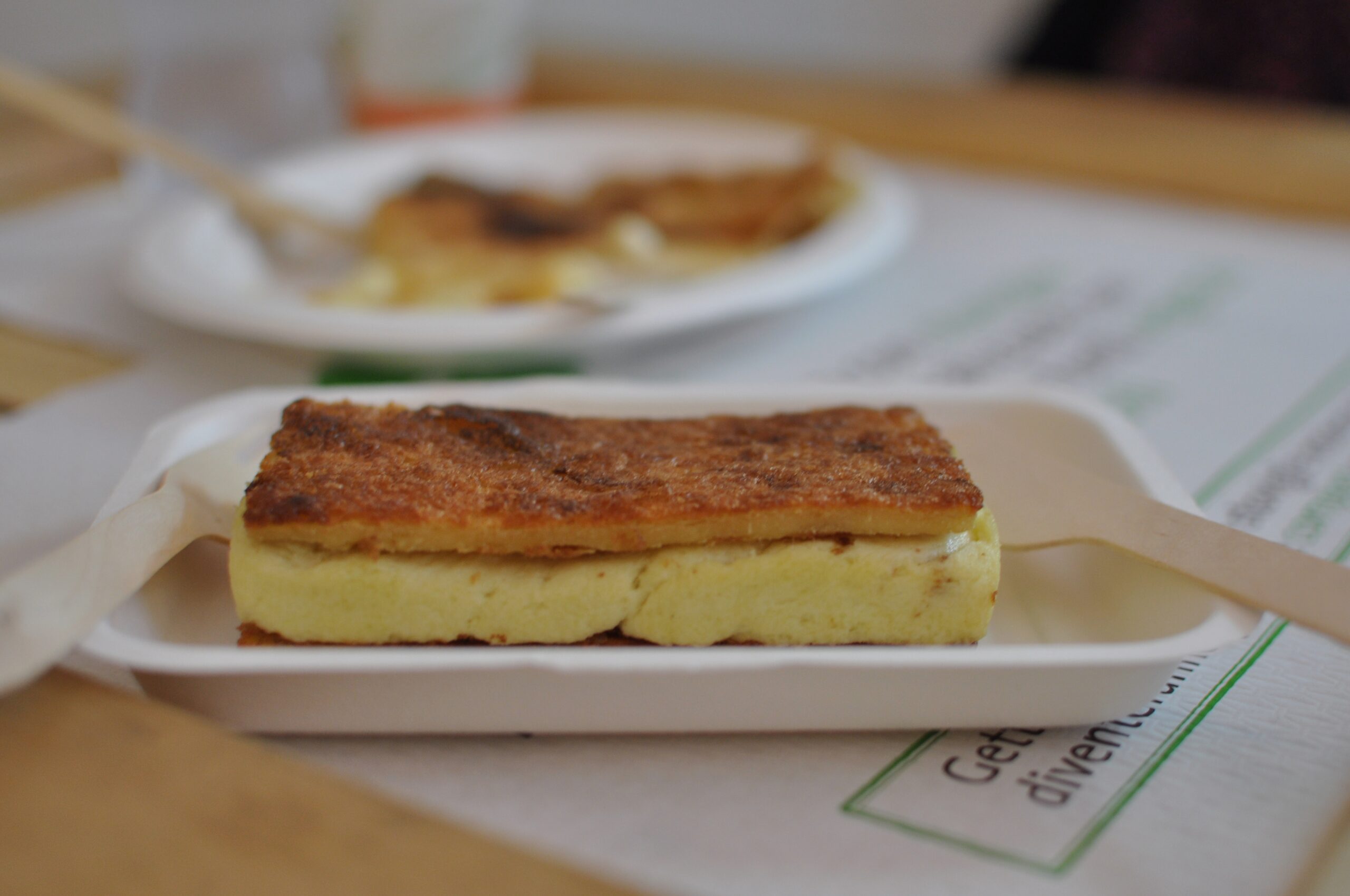
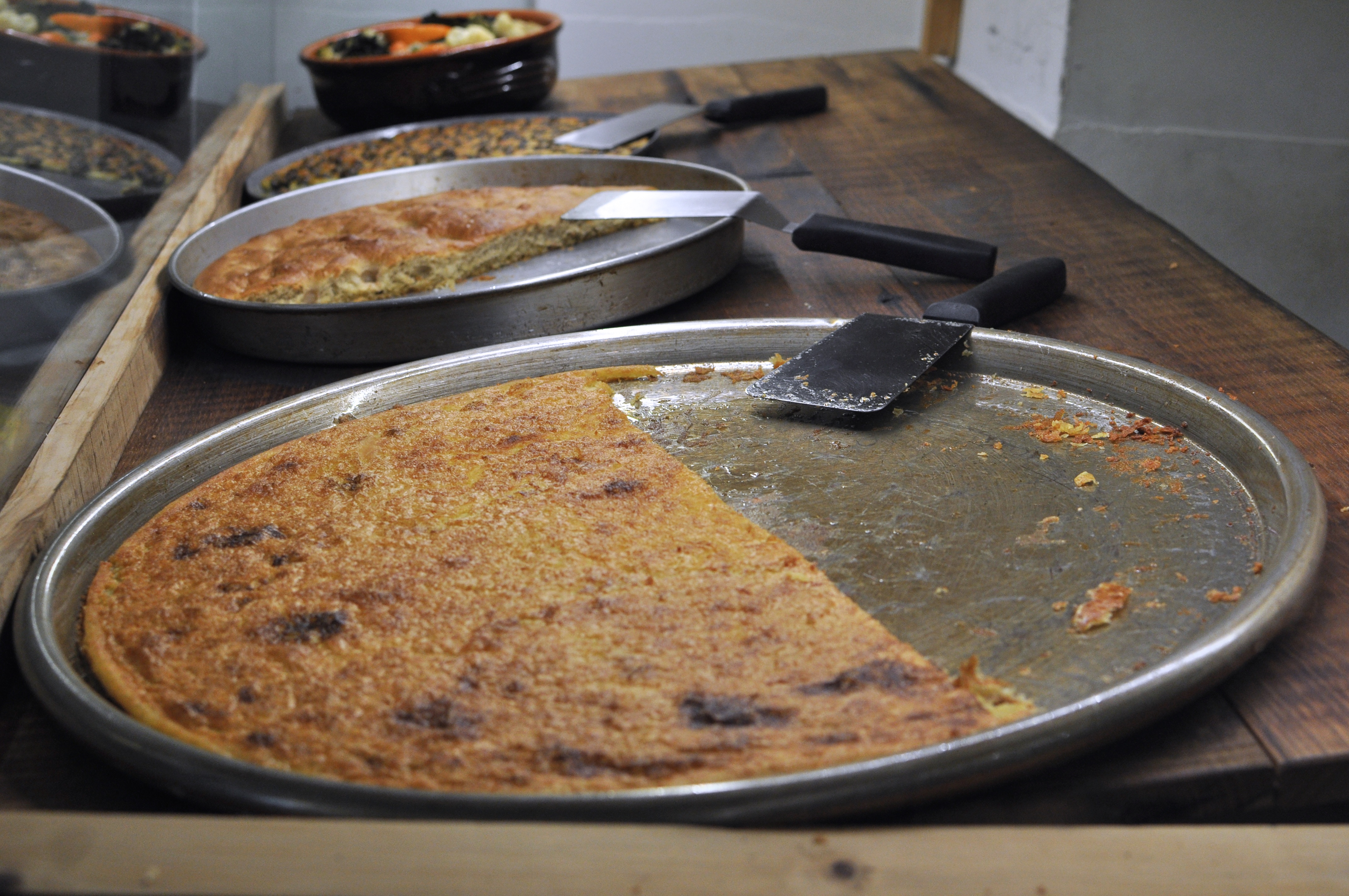
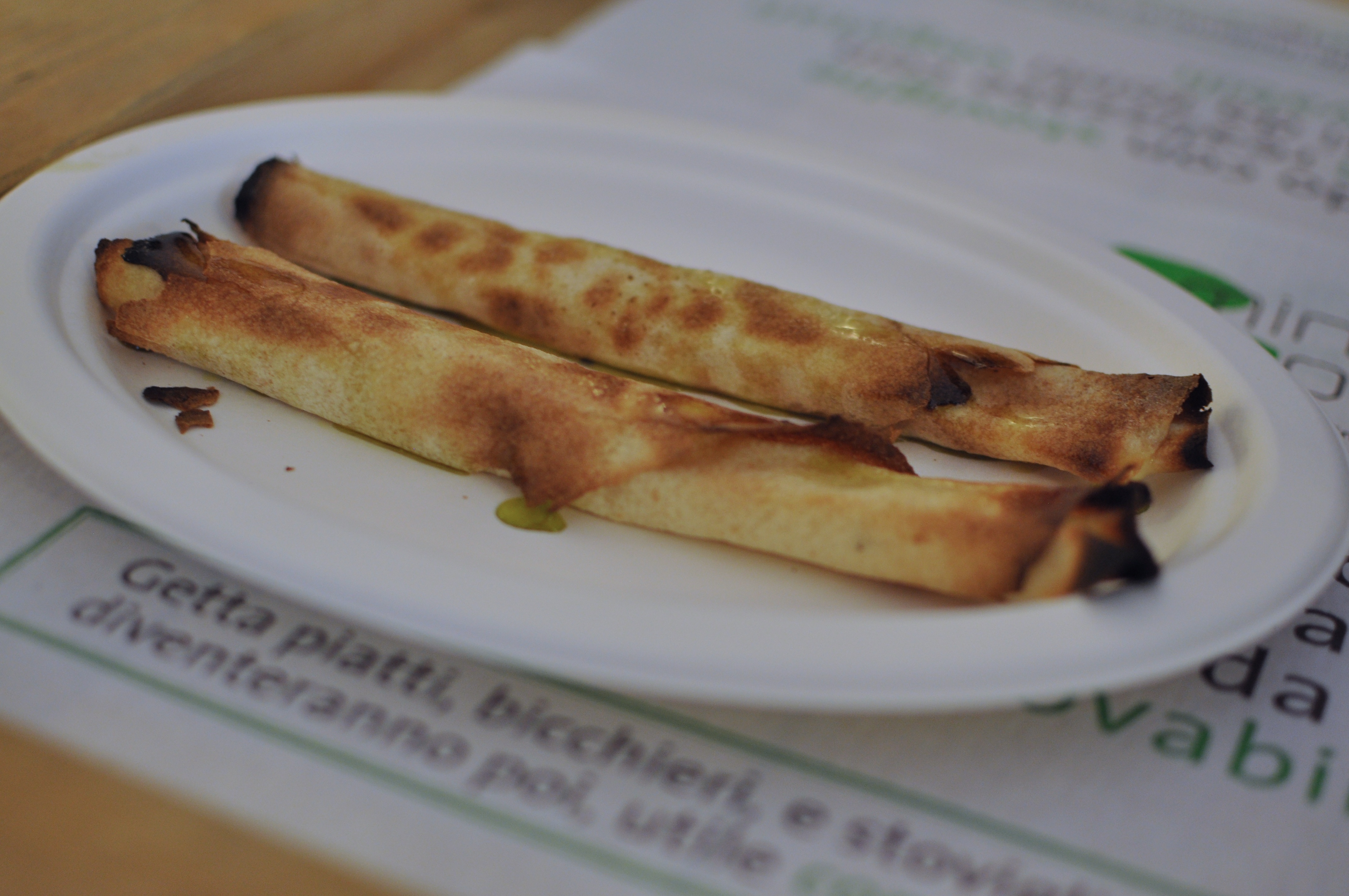
    AM: Definitely farinata (baked chickpea flour flatbread and extra virgin olive oil), the neccio di castagne (chestnut flour crepe), and the rotolo di pane carasau (traditional Sardinian flatbread made from durum wheat which is rolled and filled with cheese) because they are three diverse and representative dishes of simple food.dallantofarinata
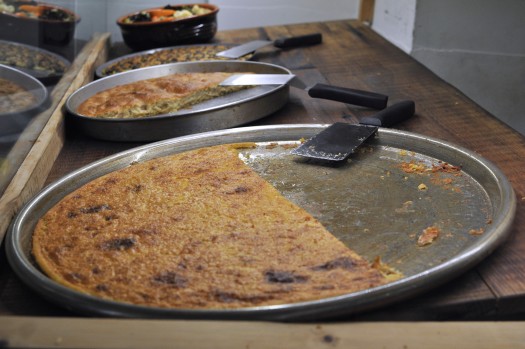
    GT: Which version of farinata do you recommend?

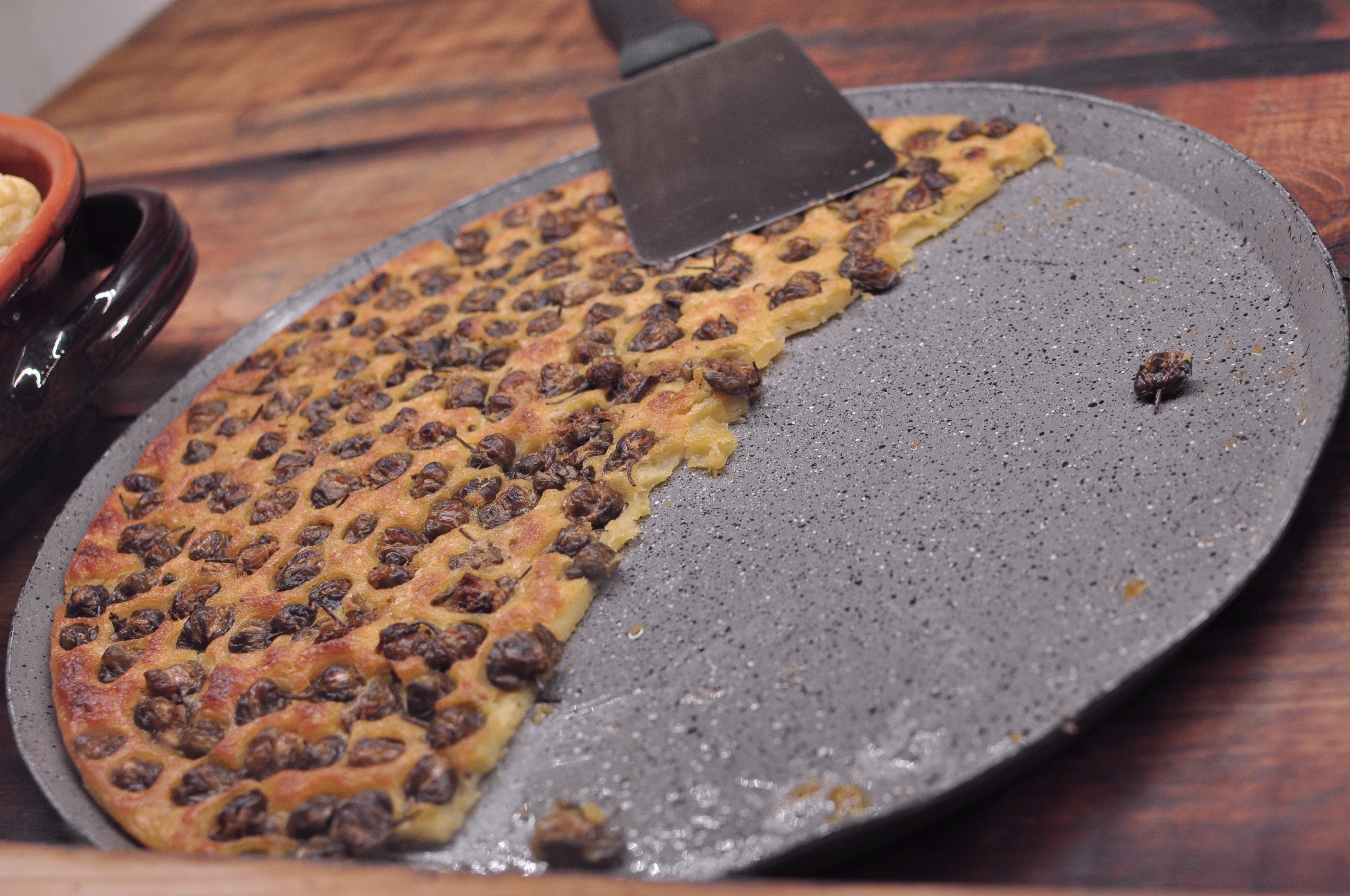
    AM: Start with a slice of plain farinata. Taste the ingredients that make up this basic flat bread, chickpeas from Poggi and Colli Etruschi olive oil, and then move on to a slice of farinata with Capperi (capers) di Selargius (Sardegna). It’s about the ingredients.

    GT: I love the melding of Sardinian briny air, delicate fruity oil, and sweet legumes. dallantocapers
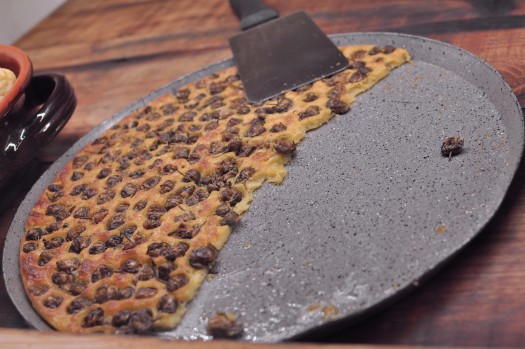
    GT: What filling is best for neccio di castagne?

    AM: Goat’s milk or sheep’s milk ricotta, or stracchino. Our cheese is made by Beppe of Beppe e I Suoi Formaggi in the regions of Piedmont, Tuscany and Lazio while the DOP chestnut flour is from Carrara and Viterbo. The quality of most chestnut flour available in supermarkets is poor. Producing chestnut flour is a long and laborious process. The chestnuts need to be dried out and the outer shell and inner husk must be completely removed. If not you’re left with an astringent tasting flour.

    GT: Can you tell me about the rotolo di pane carasau?

    AM: Pane Carasau is a crisp delicate flatbread from Sardegna. It’s placed in warm water, filled with soft cheese, rolled and cooked until the outside becomes golden brown and crispy.dallantorotolo
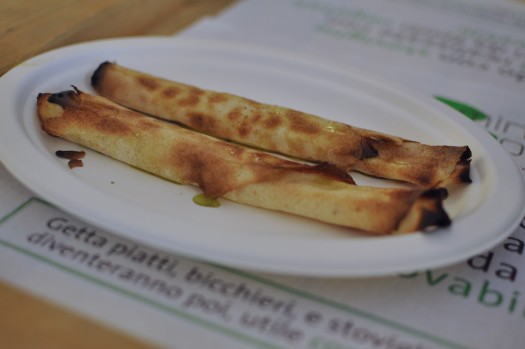
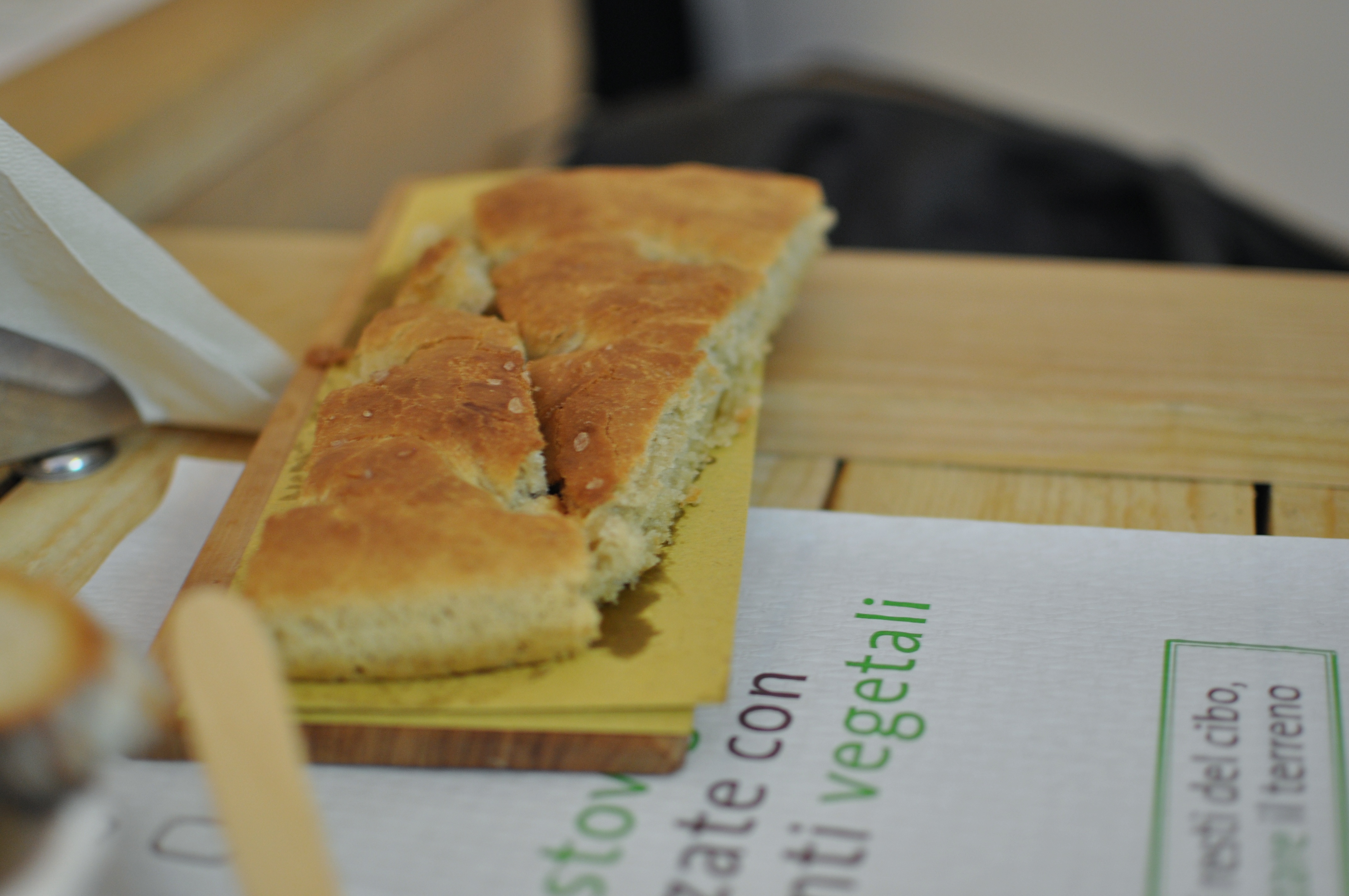
    GT: It’s a warm and savory snack that is perfect for a cold February day in Rome. If you’re in a rush grab one to go. And I never miss the baccalà mantecato, foccacia, biscotti and coffee.dallantofocaccia
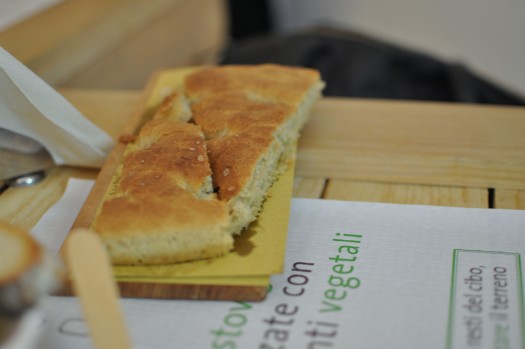
    If you don’t have a chance to stop at Dall’Antò, Antonio also sources the traditional Italian breads at Beppe e I Suoi Formaggi and Volpetti.

    Address: Via Madonna dei Monti 16; telephone +39.06.6780712.

    Open Tuesday through Saturday from 12:00 to 23:00 and Sundays from 12:00 to 15:00. Closed Mondays.

Notice: Undefined variable: default in /var/www/vhosts/gtfoodandtravel.com/httpdocs/wp-content/plugins/divi-footer-editor/includes/functions.php on line 82